

Water getting into your device’s speaker can be alarming, especially when it starts to sound muffled, distorted, or goes silent altogether.
Whether it’s a smartphone or a portable Bluetooth speaker, moisture inside the speaker grill can interfere with sound quality and, if not handled properly, cause long-term damage.
Luckily, in many cases, the issue can be fixed at home using safe and effective techniques. There are several ways to get your speaker back in shape, from special apps that push out water with sound frequencies to simple manual methods like air drying.
This guide will mention those steps, offering tips and precautions along the way so you don’t accidentally make things worse. Let’s start with what to do the moment water gets in.
Immediate Actions After Water Exposure
Acting fast is key. The longer water stays trapped inside your speaker, the higher the risk of corrosion or permanent damage. But it’s just as important to avoid doing the wrong things in a panic.
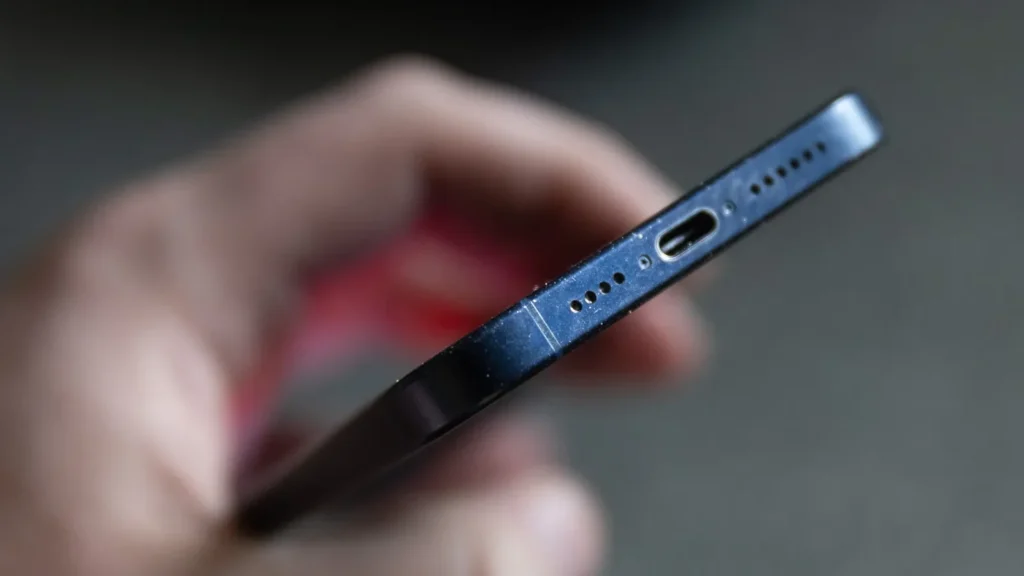
Don’t use a hairdryer or compressed air directly, as the heat or pressure can push water deeper. Also avoid poking anything into the speaker holes. It might damage the internal mesh or diaphragm.
Here’s what you should do instead:
- Turn off the device immediately if it was fully submerged.
- Gently blot any external moisture using a soft, lint-free cloth.
- Tilt the device so gravity can help drain water from the speaker opening.
- Avoid plugging in or charging the device until you’re sure it’s dry.
These initial steps help prevent short circuits and buy you time to remove the remaining moisture safely.
Use Sound Frequency Apps and Tools
One surprisingly effective method of expelling water from your speaker is to use specific sound frequencies. These low-frequency tones vibrate the speaker cone rapidly, forcing out trapped water droplets through movement.
Sound To Remove Water From Phone Speaker ( GUARANTEED )
Many mobile apps and web-based tools generate these tones for this exact purpose. Popular options include Clear Wave (Android), Sonic V (iOS), and websites like fixmyspeakers.com, which work on both platforms.
These tools typically produce a pulsing tone around 165Hz, which is known to help dislodge moisture. To use them, play the sound with your device’s speaker facing down on a clean, absorbent surface.
Let it run for 30–60 seconds at a time, and repeat the process a few times if water is still present. You’ll often notice water beads forming or being pushed out audibly.
Be cautious with the volume. Keep it at a safe mid-level to avoid damaging your speaker. Avoid using it in wet or plugged-in conditions.
This non-invasive method can work surprisingly well when combined with manual drying.
Manually Remove Water Using Gravity and Airflow
If you don’t want to rely on apps or tools just yet, simple physics can do a lot. Gravity and air circulation can gradually pull moisture out of your speaker without requiring anything special.
Here are a few safe methods you can try at home:
- Tilt the Device Speaker-Down: Hold your phone or speaker so the water naturally drains downward, especially if it was submerged.
- Rest It on a Dry, Absorbent Cloth: Place the device on a microfiber towel with the speaker side angled down.
- Let It Air Dry in a Quiet, Warm Room: Choose a location with moderate warmth, away from direct sunlight or heat sources.
- Use a Fan to Increase Airflow: A steady breeze from a room fan (not a hairdryer) helps speed up evaporation.
These techniques are simple yet surprisingly effective when used patiently, especially when paired with sound-expelling apps.
Use Silica Gel or Uncooked Rice
For trapped moisture that’s harder to reach, moisture-absorbing materials like silica gel packs or even uncooked rice can help.
Silica gel is generally more efficient and cleaner than rice. It absorbs humidity without leaving dust or particles behind, making it safer for electronics.
Best practices include:
- Place the Device in an Airtight Container: Use a plastic box or ziplock bag to prevent outside moisture from interfering.
- Add Plenty of Silica Gel Packs: The more packs, the better the absorption rate.
- Leave It for 24 to 48 Hours: Don’t rush the process. Check periodically, but give it time to work.
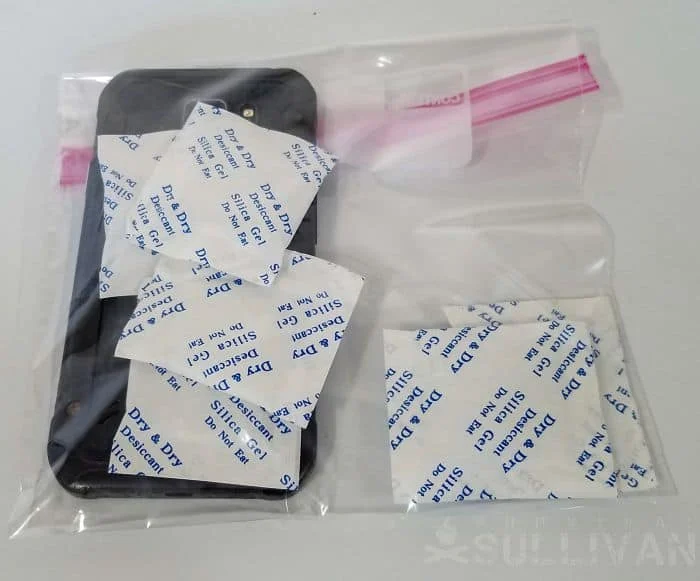
While uncooked rice is a popular DIY fix, it’s not ideal. Rice can introduce fine debris into speaker holes and may not absorb as effectively. Use it only if silica gel isn’t available, and wrap your device in a paper towel to minimize dust exposure.
Test and Monitor Sound Quality
Once you’ve tried drying methods, it’s time to check if your speaker is functioning normally again. You’ll want to test sound clarity, loudness, and distortion. Testing early can help catch damage before it worsens.
Here are simple ways to evaluate:
- Play music or videos at different volumes to check for crackling or muffled tones.
- Use a voice recording app and play back the recording to test clarity.
- Compare with headphones to detect any lingering issues.
- Make a call using speakerphone to hear the voice quality.
- Try a sound frequency test again to verify proper resonance.
When to Seek Professional Help
If your speaker still sounds muffled, distorted, or silent after drying efforts, it may be time to consult a technician. Persistent issues could indicate internal corrosion, short circuits, or speaker component failure.
Avoid dismantling the device yourself unless you’re experienced with repairs. Most modern devices have compact, sensitive layouts that can be damaged further without proper tools or expertise.
Visit an authorized service center, especially if your phone or speaker is still under warranty. They can run diagnostics, offer replacements, or provide professional cleaning.
Getting expert help ensures your device isn’t permanently damaged by delayed care or incorrect DIY fixes.
Prevention Tips for the Future
It’s wise to take a few precautions to avoid dealing with water damage again, especially if your device isn’t rated as fully waterproof.
Here are some good habits to follow:
- Use a waterproof case or pouch when near pools, kitchens, or rain.
- Keep speakers elevated when outdoors or around liquids.
- Avoid placing phones or speakers on damp surfaces, even if they seem dry.
- Dry your hands completely before using electronics.
- Don’t rely on water resistance alone. It’s not foolproof.
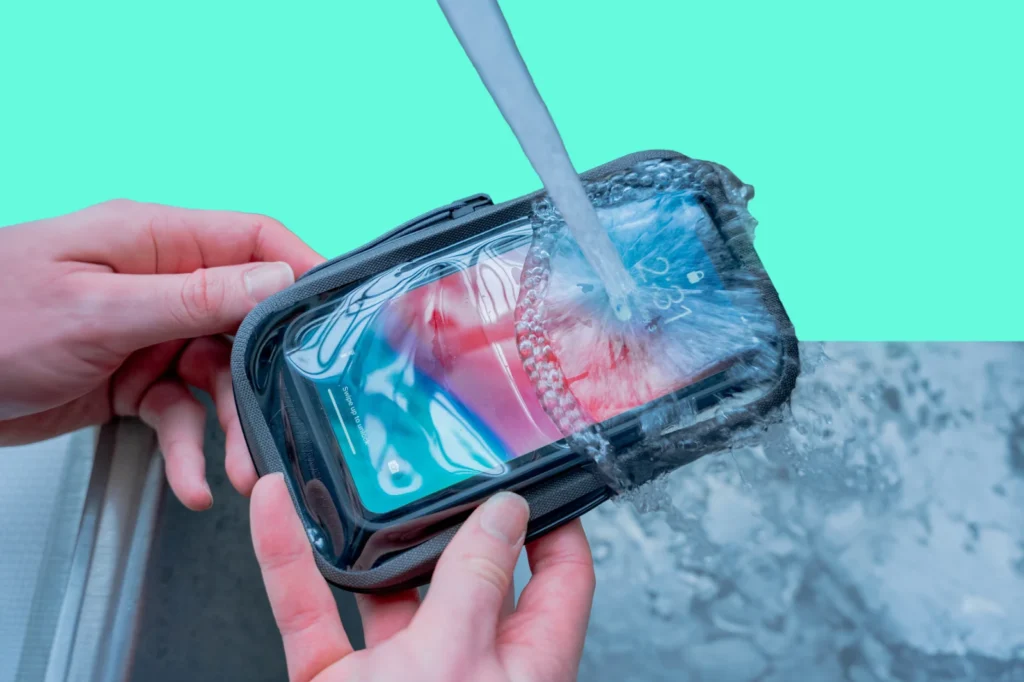
These small steps can greatly reduce the risk of future accidents and save you from unnecessary stress or repair costs.
Conclusion
Water in your speaker can be frustrating, but it doesn’t always mean disaster. You can often resolve the issue at home with prompt action and the right methods (from gravity-based drying to sound-expelling apps).
If symptoms persist, professional inspection is the safest route. And of course, taking steps to prevent exposure in the first place is always better than fixing damage after it happens.
Now that you’re equipped with practical, proven tips, you can respond with confidence the next time your speaker takes an unexpected splash. Just remember: act fast, stay gentle, and don’t panic.
