
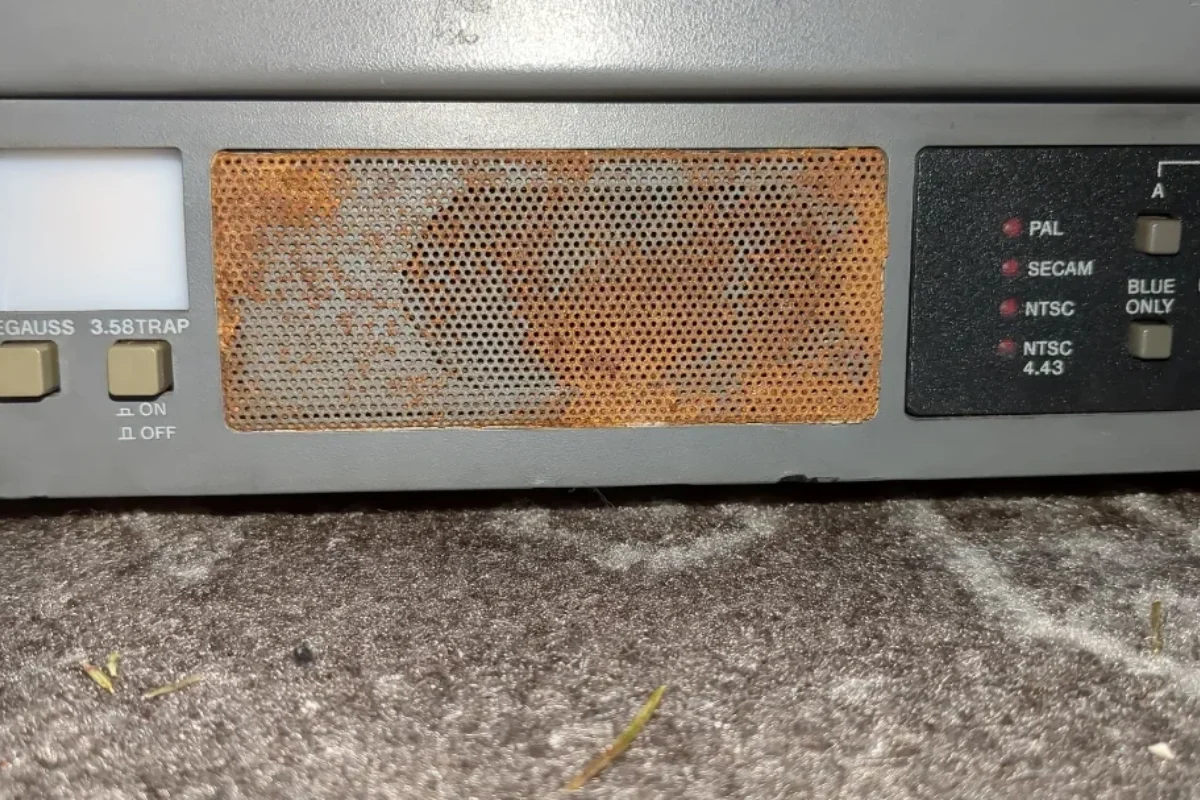
Rust on a speaker grill might not seem like a big deal at first, but it can quickly become an eyesore, and worse, a threat to your speaker’s performance.
Whether from high humidity, accidental spills, or just years of exposure, rust can creep in silently and damage the metal mesh over time.
Fortunately, removing rust doesn’t require fancy tools or professional help. With a few household items and the right approach, you can restore the look and integrity of your speaker grill.
This guide will walk you through the most effective methods to clean rust off safely, without risking damage to your device.
Before we begin the cleaning process, let’s examine what causes rust to form.
What Causes Rust on Speaker Grills?
Speaker grills are usually made of thin metal mesh, which makes them vulnerable to rust, especially in specific environments. Moisture is the primary culprit. If your speakers are used outdoors, kept in humid spaces, or exposed to condensation, rust will likely appear over time.
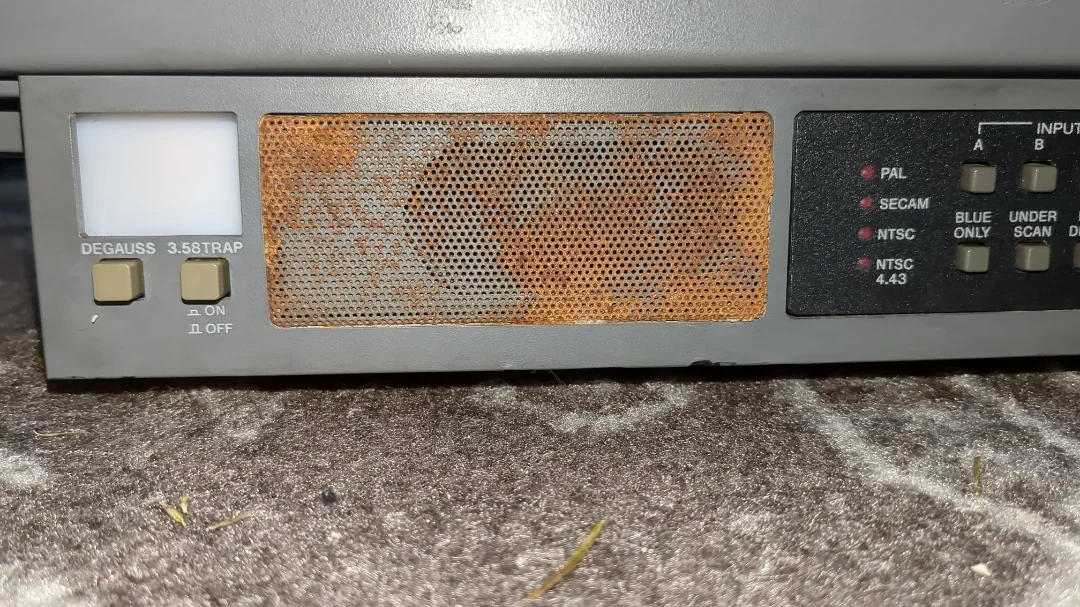
Even wiping them with a damp cloth and not drying them thoroughly can start corrosion. Poor storage conditions or prolonged exposure to air with high salt content (like near coastal areas) also speed up rusting.
Some grills lack protective coatings or are made from lower-grade metals, making them more prone to damage. Over time, even small rust spots can grow, dulling the appearance and reducing airflow or sound clarity.
Safety Precautions Before You Start
Before you begin cleaning, a few safety measures can help protect your speaker and ensure the process goes smoothly:
- Unplug or disconnect the speaker completely.
- Avoid letting liquid enter the speaker components.
- Work in a dry, well-lit space.
- Use only light pressure to avoid bending or damaging the grill.
- Have a microfiber cloth or towel ready for drying.
Method 1: Using White Vinegar or Lemon Juice
This method is excellent for light to moderate rust buildup. The mild acidity in vinegar and lemon juice helps dissolve rust without harming the metal.
What You’ll Need:
- White vinegar or lemon juice
- Cotton swabs or a soft cloth
- Soft-bristled brush (like a toothbrush)
- Microfiber towel
- A small container
Steps:
- Pour a small amount of vinegar or lemon juice into a container.
- Dip the cotton swab or cloth into the liquid.
- Gently apply it to the rusty areas of the speaker grill.
- Let it sit for 10–15 minutes to break down the rust.
- Use the brush to scrub the rusted spots gently.
- Wipe off the area with a damp cloth.
- Dry the grill completely using a microfiber towel.
For stubborn rust, reapply the solution and let it soak a little longer. Just be cautious not to oversaturate the grill, especially if it’s still attached to the speaker. You can also use a small detailing brush to reach tight corners or perforations.
Always rinse off the vinegar or lemon juice with a lightly damp cloth to avoid residue buildup. Then dry immediately and thoroughly to prevent new rust from forming.
Method 2: Baking Soda Paste
If you don’t have vinegar or lemon juice on hand, baking soda is another gentle and effective option for light to moderate rust. It’s especially helpful for small, isolated patches.
Steps:
- Mix baking soda with a small amount of water to form a thick paste.
- Apply the paste directly to the rusted areas of the grill.
- Let it sit for at least 30 minutes to break down surface rust.
- Use a soft-bristled brush or toothbrush to scrub the paste gently.
- Wipe the grill with a damp cloth to remove residue.
- Dry the area thoroughly with a soft towel.
Once applied, give the paste time to work (about half an hour is ideal). It helps lift the rust without aggressive abrasion.
Be careful while scrubbing, especially with delicate metal mesh. Apply light pressure in circular motions to avoid bending or damaging the grill surface.
After scrubbing, wipe away all remaining paste. Then use a dry microfiber cloth to remove any moisture, ensuring no water lingers that could trigger more rust.
Method 3: Commercial Rust Removers
Sometimes, home remedies aren’t enough, especially for thick or widespread rust. That’s when commercial rust removers become your best option. Look for gel-based or spray solutions made specifically for electronics or delicate metal items.
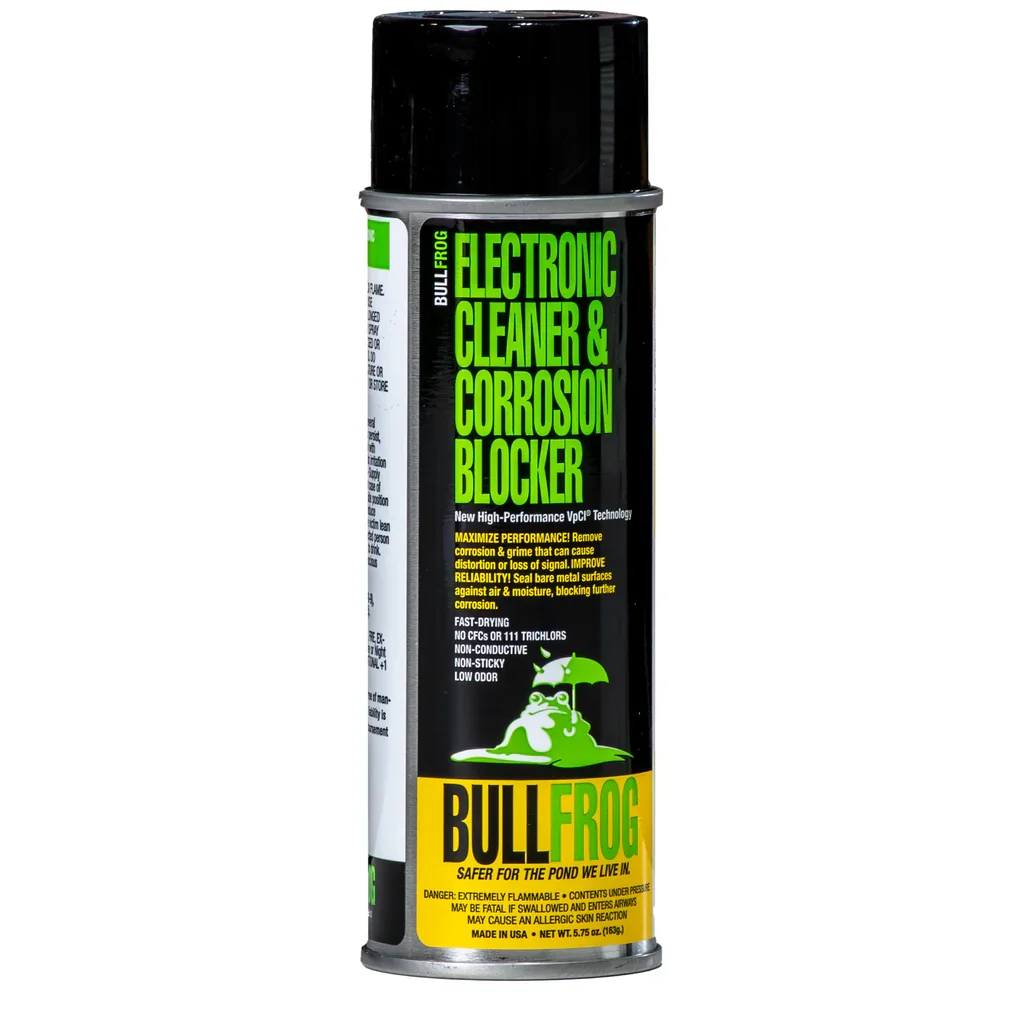
BullFrog Electric Cleaner & Corrosion Blocker Is an Ideal Product for This
Cautions:
- Test the product on a small area first.
- Wear gloves to protect your skin.
- Work in a well-ventilated area.
- Avoid contact with speaker components.
After Cleaning:
- Wipe off all product residue with a clean, damp cloth.
- Dry the surface thoroughly.
- Store your speaker in a moisture-free space afterward to prevent recurrence.
Preventing Rust in the Future
Once you’ve removed the rust, it’s worth taking a few steps to keep it from coming back. Store your speaker in a cool, dry place, especially when not in use.
If you live in a humid area, consider using silica gel packets near the speaker to absorb excess moisture. Regularly dust the grill with a dry cloth to prevent buildup, and never leave it wet after cleaning or use.
You can also apply a light anti-rust spray or protective coating made for electronics to extend the life of the grill without affecting sound quality.
When to Replace the Grill
If the rust is deeply embedded, spreading, or causing physical damage, it may be better to replace the grill.
Replacement grills are often affordable, especially for common speaker brands. A new grill restores both the appearance and audio clarity of your device.
Conclusion
Rust on your speaker grill might seem like a hassle, but it’s easy to fix with simple tools and the right approach. Whether you’re using household ingredients or a store-bought solution, consistency and care make all the difference.
Prevent rust by cleaning your speaker regularly, keeping moisture away, and storing it properly. A little maintenance goes a long way toward keeping your sound crisp and your gear looking sharp.
